 how-to
Moving Delicate Antiques to Assisted Living: A Step-by-Step Guide
Table of Contents
- Assess Your Assisted Living Space and Facility Rules
- Decide What Furniture to Bring to Assisted Living
- Document and Appraise Valuable Antiques
- How to Pack Antiques for Moving Safely
- What to Do with Belongings That Won't Fit in Assisted Living
- Hire Professional Movers for Antiques
- Coordinate Delivery and Final Placement
- Frequently Asked Questions
Last Updated: October 5, 2026
Assess Your Assisted Living Space and Facility Rules
Before you move delicate antiques to assisted living, know what actually fits. Most people focus on belongings first, then realize the room won't accommodate them. That's backwards.
Start by measuring your assisted living room: length, width, height, and doorway widths. Note window, closet, and bathroom entrance locations. This determines everything that follows.
Measure Your Room and Note Delivery Constraints
Your room size is the hard limit. A piece beautiful in a house can overwhelm a 12-by-14-foot space. Measure doorways, hallways, and tight turns between the building entrance and your room. A large dresser might not fit through a narrow stairwell, discovered the day of delivery.
Document ceiling heights too. Some facilities have standard 8-foot ceilings; others vary. Tall antique cabinets or grandfather clocks need clearance. Write everything down and photograph the room from multiple angles as your reference.
Check Facility Policies on Furniture and Antiques
Call ahead and ask the facility directly about rules. Some restrict furniture piece counts, prohibit items blocking exits or windows, or limit under-bed and closet storage for safety.
Ask specifically about antiques: some facilities worry about fragile items in shared hallways or common areas, while others are fine with them in private rooms. Get the policy in writing. Ask about delivery windows too, since most buildings have specific times when moving trucks can enter, affecting your schedule and costs.
Decide What Furniture to Bring to Assisted Living
You own more than fits. Choosing what stays and what goes requires a clear process, not emotion.
Prioritize Pieces That Fit Your Space
Start with essentials: bed, dresser, nightstand, chair.
Measure each piece before committing. A six-foot dining table won't work in a 12-by-14 room, and an oversized sofa leaves no walking space. If it doesn't fit or serve a clear purpose, it doesn't come.
List candidates with dimensions, condition, and why each matters. This forces clarity: you'll see patterns, like keeping too many similar pieces or holding onto items out of guilt rather than genuine attachment.
Consider Functionality and Safety
Assisted living environments prioritize safety. Furniture with sharp corners, unstable legs, or trip hazards are problems. Antique chairs with wobbly joints are beautiful but dangerous if you need to move quickly.
Think about mobility and daily routine. Can you navigate around the furniture? Will an antique ottoman block your path to the bathroom, or a tall bookcase obstruct a window or door?
Pieces both functional and safe win. A sturdy antique wooden chair with stable legs is worth bringing; a purely decorative Victorian side table that wobbles should stay behind.
Document and Appraise Valuable Antiques
Before packing anything, document what you own. This protects you if damage occurs and clarifies insurance coverage.
Photograph Items and Record Condition
Photograph each antique from multiple angles, including close-ups of damage, scratches, dents, water marks, and worn upholstery. Write a brief description: "mahogany dresser, circa 1920s, three drawers, small water stain on top surface, otherwise good condition."
Create a spreadsheet listing each item's estimated age, materials, dimensions, and condition, with photos. This baseline proves original state if damage occurs during the move.
Be honest about condition. Antiques with existing damage are still valuable, but documentation must reflect reality to protect you with your moving company and insurer.
Obtain Professional Appraisals for High-Value Pieces
If you own antiques worth more than a few hundred dollars, get a professional appraisal, especially for items with significant monetary or sentimental value: jewelry, fine furniture, art, collectibles.
A certified appraiser examines the piece, researches provenance and market value, and provides a written report. This is essential for insurance and helps you decide whether an item is worth the cost and risk of moving.
Contact local appraisers specializing in antiques. Ask about credentials and fees; many charge by the hour or per item. For a valuable collection, the cost is worth the protection.
How to Pack Antiques for Moving Safely
Packing delicate antiques correctly prevents damage. Professional movers earn their value here, protecting fragile items through every stage of transport.
Step 1: Prepare Your Packing Materials
Gather quality materials first:
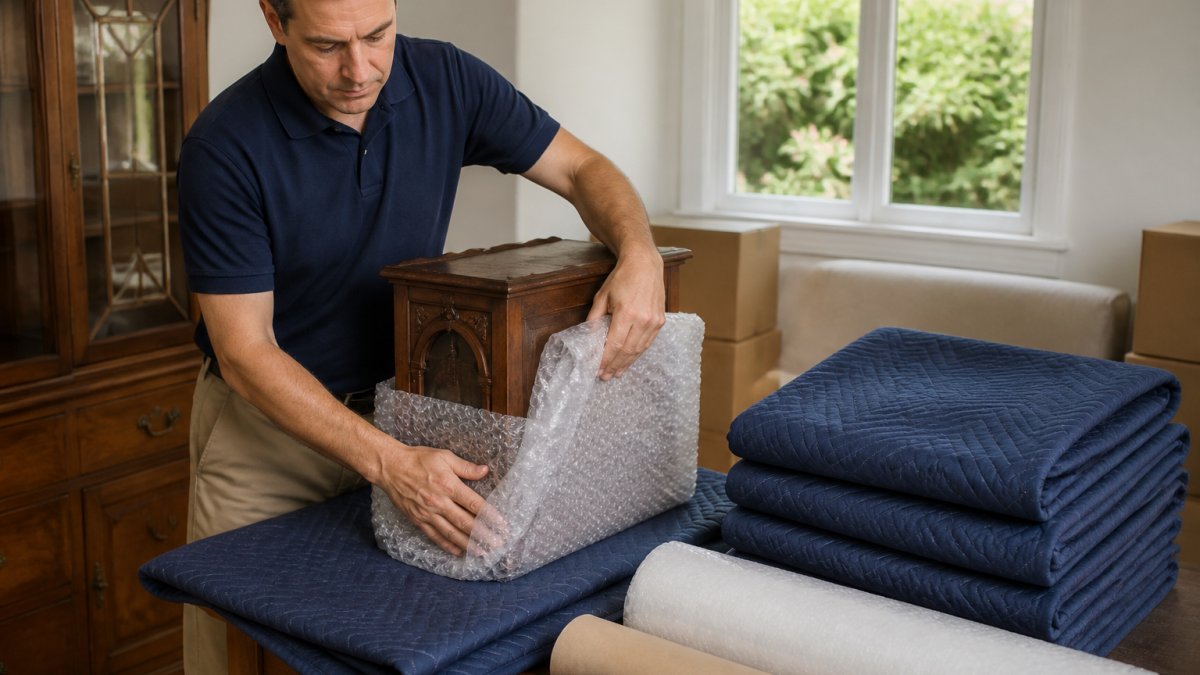
- Bubble wrap (at least 1/8-inch thickness)
- Moving blankets or quilted pads
- Kraft paper or newsprint
- Packing tape (strong, not cheap)
- Small boxes for dishes and glassware
- Larger boxes for lighter items
- Foam sheets or corner protectors
- Soft cloth or cotton towels for wrapping delicate surfaces
Don't skimp. Cheap bubble wrap tears, thin boxes collapse, and weak tape fails mid-move. Quality materials cost more upfront but prevent thousands in damage.
Step 2: Clean Antiques Gently Before Packing
Dust and debris can scratch surfaces during the move. Clean items carefully before packing.
Use soft, dry cloths only. Avoid water or cleaning chemicals on antique wood, upholstery, or finishes. For stubborn dirt, use a barely damp cloth and dry immediately.
Test any cleaning approach on a hidden area first. Antique finishes vary, and some are fragile and moisture-sensitive. Clean, don't damage, before the move starts.
Step 3: Wrap and Protect Each Item
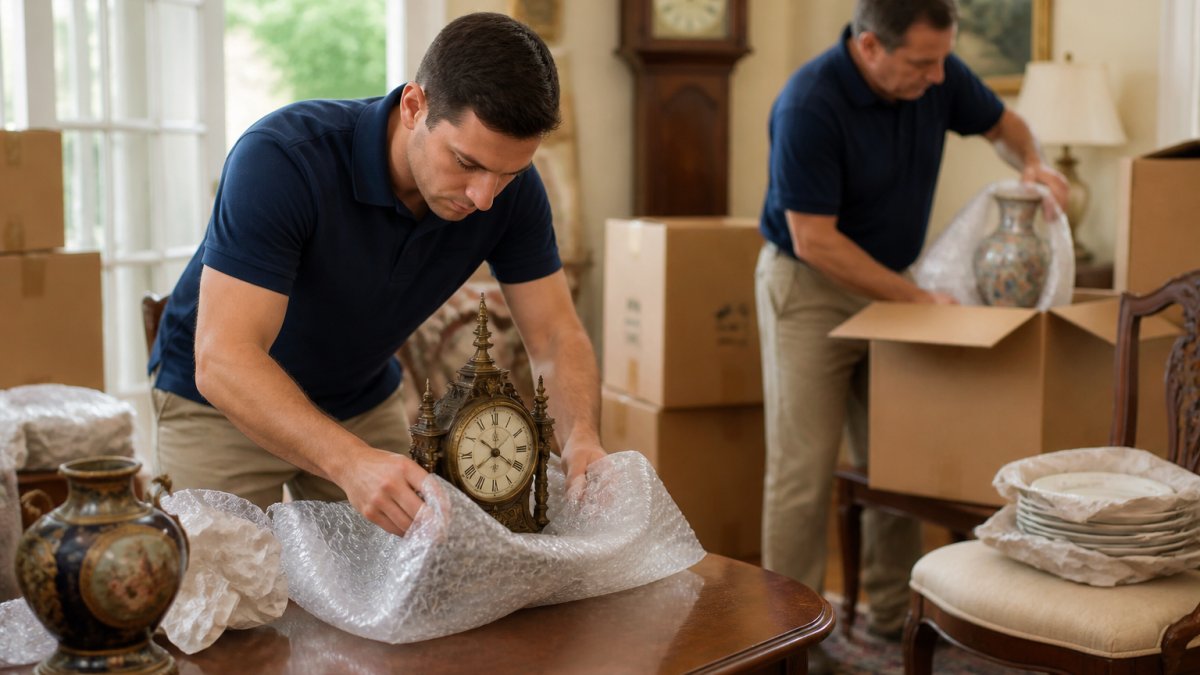
Wrap each piece individually. Start with kraft paper or newsprint against the surface to prevent bubble wrap from sticking to finishes.
Then wrap with bubble wrap, bubbles facing outward, at least two full wraps for delicate items. Tape only the wrap, not the item itself.
Wrap dishes, glassware, and small fragile items individually, pack in small boxes with padding between pieces, and fill empty spaces with crumpled paper so nothing shifts.
Step 4: Pack Strategically to Minimize Movement
How you pack the truck matters as much as how you wrap items. Items that shift in transit can crack or dent against other pieces.
Place heavier items on the truck floor and lighter fragile items on top or in the middle. Cushion between pieces with blankets and fill gaps with padding so nothing moves during acceleration, braking, or turns.
Secure boxes and furniture so they don't slide. A sudden stop or sharp turn can send an unbraced box flying. Professional movers use straps and strategic placement to prevent this.
What to Do with Belongings That Won't Fit in Assisted Living
You've chosen what comes with you. Now the harder question: what happens to everything else?
Evaluate Each Item's Value and Sentimental Worth
For each piece staying behind, decide: Is it valuable? Sentimental? Does a family member want it?
Create three categories: sell, donate, or store. Items with real monetary value get sold. Pieces family members want go to them. Everything else is donated or stored.
Be realistic about sentimental value. You can't keep everything. If an item hasn't been used or thought about in years, its sentimental weight is probably lower than you think.
Sell, Donate, or Store Excess Furniture
Selling: Antique dealers, consignment shops, and online marketplaces (Craigslist, Facebook Marketplace, eBay) can move valuable pieces.
Donating: Goodwill, Salvation Army, and local charities accept furniture, offer a tax deduction, and often provide free pickup for large items.
Storing: If uncertain or pieces have family significance, storage works best for items you'll retrieve within a year or two, since monthly costs add up. Consider climate-controlled storage for valuable antiques, as humidity and temperature swings damage wood and finishes.
Hire Professional Movers for Antiques
Moving delicate antiques yourself is risky. Professional movers have the training, equipment, and insurance to protect your valuables.
Why Specialty Movers Matter for Delicate Items
Standard movers handle everyday household goods; specialty movers focus on high-value, fragile items. They understand antique construction, wrap and crate properly, and carry insurance covering damage.
Coastal Moving Systems has over 40 years of experience handling delicate items and valuable belongings. Our trained crews understand how to protect antiques through every stage, from careful wrapping to secure loading to precise placement.
Ask potential movers directly: Do you have antique experience? Can you provide references from clients with similar items? What's your damage claim process? These questions separate experienced movers from those just moving boxes.
What to Expect on Moving Day
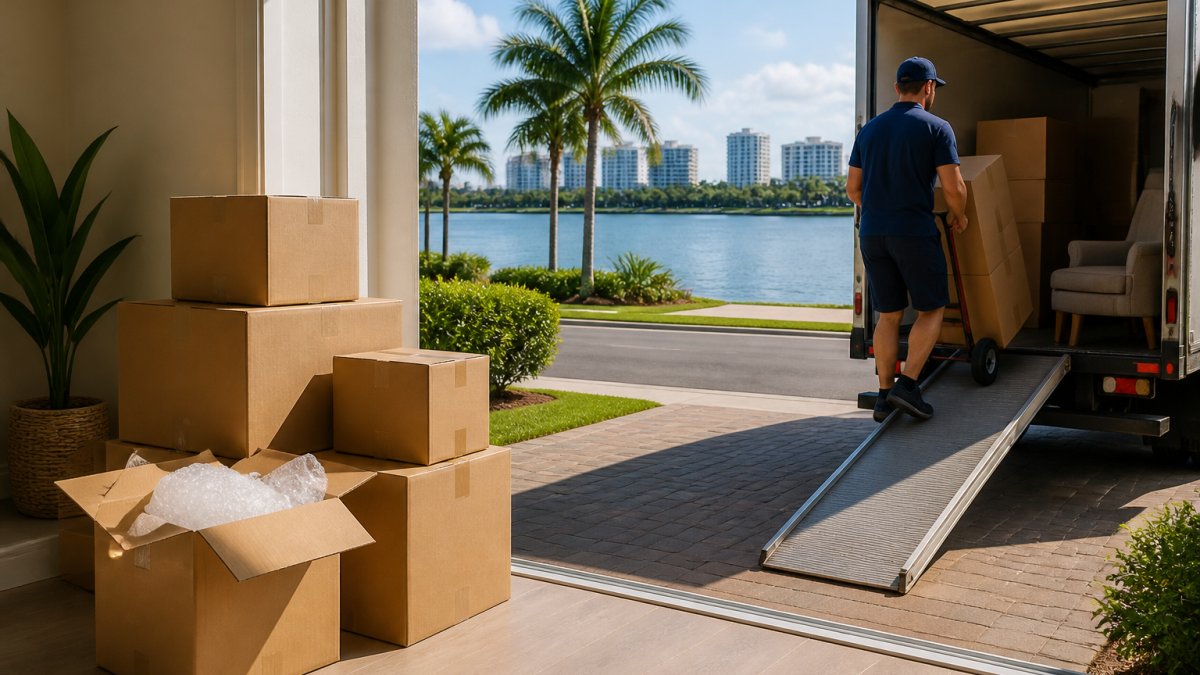
Professional movers arrive with dollies, furniture pads, straps, and hand trucks for heavy, awkward pieces. They wrap on-site if needed, load strategically to prevent shifting, and drive carefully.
Tell your movers which pieces are most valuable or fragile, point out existing damage, and ask them to text or call before arrival so you're ready.
The move takes longer than standard moves because of the care required. A bedroom set with antiques might take several hours. This is normal; rushing damages things.
Coordinate Delivery and Final Placement
The move isn't complete until items are in your assisted living room and positioned correctly.
Confirm Delivery Windows and Building Access
Before moving day, confirm the delivery window with both your movers and the facility. Most have specific times when trucks can access the building. Confirm parking, elevator access, and hallway restrictions.
Give your movers the facility's contact information and access instructions. If the building requires advance notice or a security code, provide it in writing.
Walk the delivery path with your movers if possible. Show them the route from truck to room and point out tight corners, low ceilings, or narrow hallways to prevent delays and damage.
Inspect Items and Document Condition Upon Arrival
As items arrive, inspect carefully for new damage. Open drawers and doors to ensure they function, and check wrapped items before unwrapping, since damage is sometimes visible through the wrapping.
Photograph items as they arrive and are placed.
Compare each item to your pre-move photos and condition notes. Most moves go smoothly, but documentation protects you if something went wrong.
At Coastal Moving Systems, we know that moving delicate antiques is more than logistics. These pieces carry your history.
| Step | Key Actions | Timeline |
|---|---|---|
| Measure & Plan | Get room dimensions, check facility rules | 1-2 weeks before |
| Choose Pieces | Decide what fits, what goes | 2-3 weeks before |
| Document & Appraise | Photograph items, get appraisals for valuable pieces | 2-3 weeks before |
| Gather Materials | Collect quality packing supplies | 1 week before |
| Pack Carefully | Wrap items, prepare for transport | 3-5 days before |
| Arrange Moving | Book professional movers, confirm details | 1-2 weeks before |
| Move & Inspect | Transport items, check condition upon arrival | Moving day |
Moving delicate antiques to assisted living requires planning, the right materials, and professional help. According to the National Council on Aging's assisted living guidance, proper planning and professional support are key to successful moves for seniors.
Frequently Asked Questions
What's the best way to pack fragile antiques for moving?
Wrap each antique individually with bubble wrap or soft cloth, then place in sturdy boxes or crates with padding between items. Use moving blankets for large furniture, and secure everything to minimize movement during transport. Label boxes clearly as fragile, and consider using specialty crating for extremely valuable or delicate pieces. Professional movers for antiques have the expertise and materials to ensure maximum protection.
How do you decide what furniture to bring to assisted living?
Measure your assisted-living room first. Prioritize essential pieces like a bed, dresser, and seating that fit comfortably without blocking doorways or emergency exits. Check facility rules about furniture size, wood finishes, and fabric types; some facilities restrict certain items for safety or maintenance reasons. Choose pieces that are both functional and meaningful to you.
Should you hire professional movers for valuable antiques?
Yes, especially for high-value items or delicate construction. Professional movers trained in antique handling understand how to protect wood finishes, avoid scratches, and use appropriate crating and wrapping techniques. They carry liability insurance and can document condition before and after transport. For a move involving multiple valuable antiques to assisted living, specialty movers reduce the risk of damage and provide peace of mind.
What should you do with antiques that won't fit in your assisted living room?
First, assess each item's monetary and sentimental value. High-value antiques can be sold through auction houses, consignment shops, or online platforms. Meaningful pieces with less monetary value might be given to family members or donated to museums or historical societies. For items you want to keep but can't display, explore climate-controlled storage options. Document all decisions and update your inventory accordingly.